Not every oil suits every dish. Here is a simple guide to picking the right oil for tempering, deep frying, salads and baking — without overwhelming your pantry.
Choosing a cooking oil can feel overwhelming, but it doesn't have to be. Most Indian kitchens do beautifully with just three or four oils, each matched to the way it will be used.
The trick isn't to buy every trendy oil on the shelf — it's to understand which oils suit which cooking method, and to keep a small, curated pantry that covers every need.
Understand the smoke point
The smoke point is the temperature at which an oil starts to break down and lose its nutrients (and flavour). Cold pressed oils have moderate smoke points and are best for tempering, sautéing and finishing. Refined oils have higher smoke points and are safer for deep frying and roasting. Matching the oil to the heat is half the battle.
Tempering & sautéing
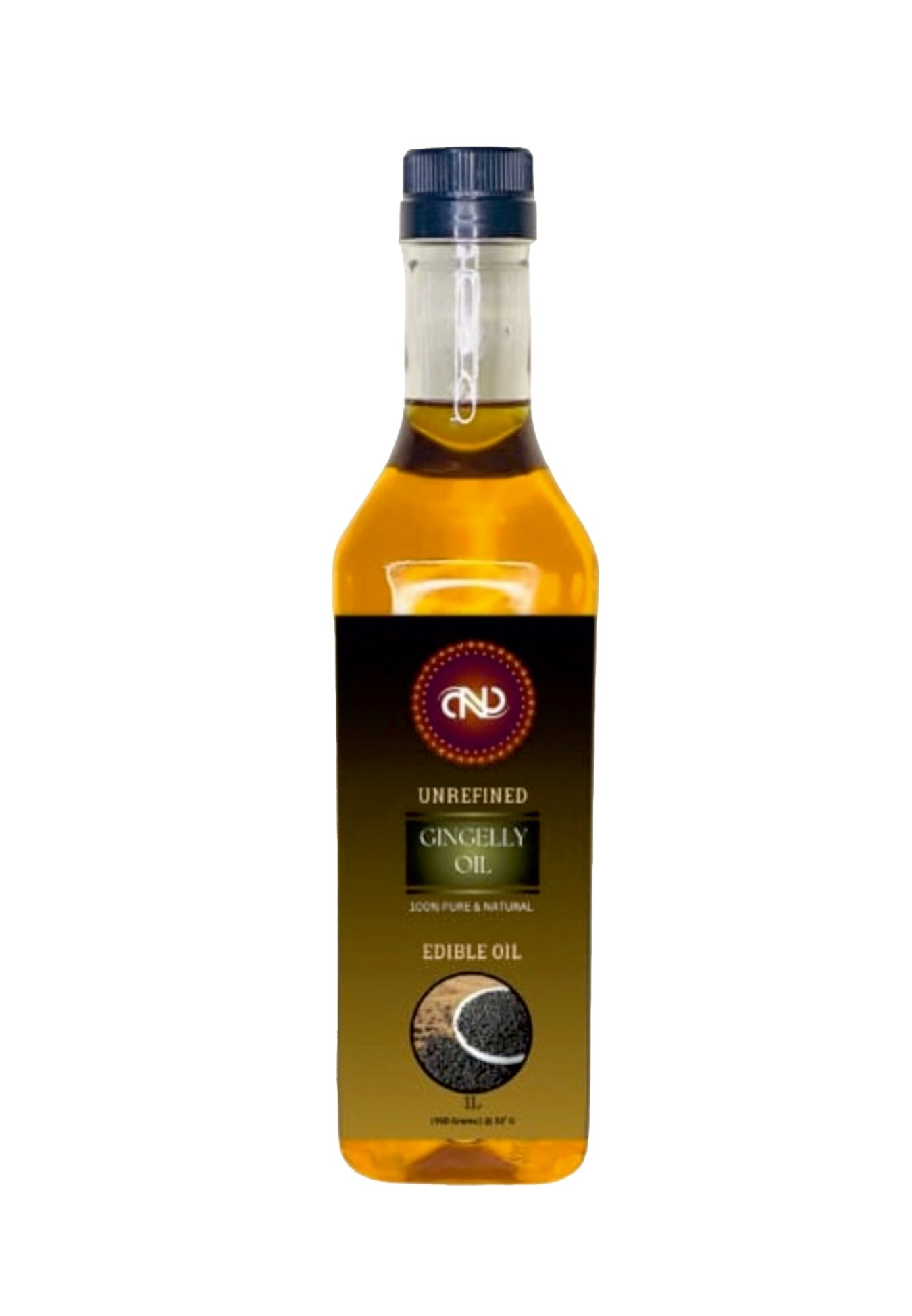
For everyday tadka and light sautéing, cold pressed gingelly or groundnut oil brings out the best flavour. Their moderate smoke points and rich aromas complement Indian spices beautifully.
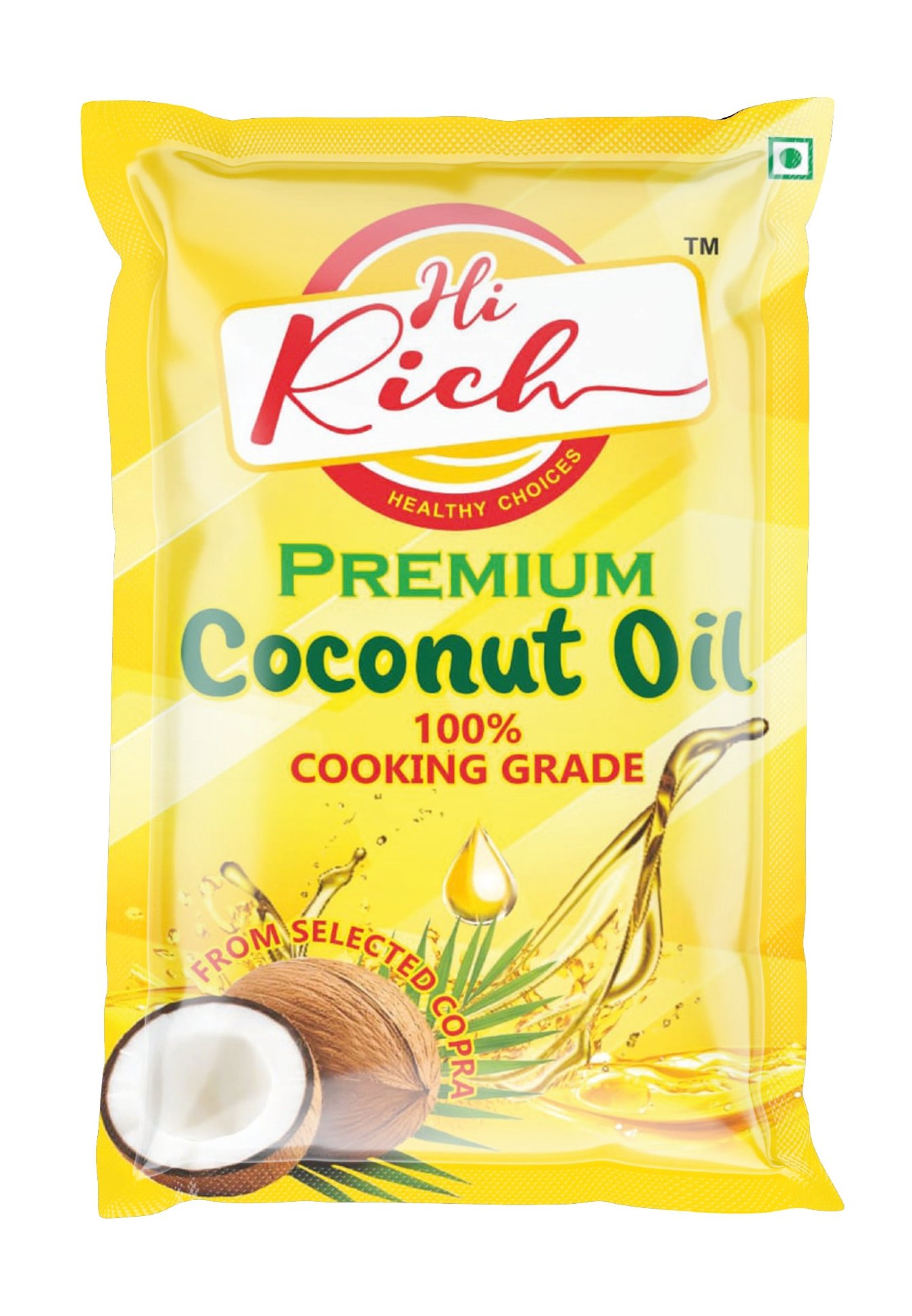
Regional cuisines have their own answers too — mustard oil for Bengali and North Indian dishes, coconut oil for Kerala food, groundnut for a lot of South Indian cooking. Leaning into these traditions is usually the tastiest choice.
Deep frying
For high-heat frying, sunflower and refined groundnut oils are your friends — neutral in flavour and stable at high temperatures. Save your delicate cold pressed oils for finishing and gentle cooking.
Try not to reuse frying oil more than once or twice, and never after it has darkened significantly. Reused oil forms compounds that are unkind to the body over time.
Salads & drizzling
Cold pressed virgin coconut oil, mustard oil or extra virgin gingelly can be drizzled raw over salads, chutneys or steamed vegetables to add character and nutrition without cooking off the good stuff.
Baking
For baking, choose an oil with a mild flavour so the cake or bread's own character shines — refined sunflower or a light groundnut oil work well. If a recipe calls for melted butter, an equal quantity of virgin coconut oil is a lovely swap for a subtle sweetness.
A simple pantry plan
Keep it simple: one workhorse oil for frying, one flavour oil for tempering, one delicate oil for finishing. That's all most home kitchens really need.
Buy in smaller bottles more often rather than one large tin at a time — oils are freshest in the first few weeks after opening, and rotating helps you enjoy them at their best. A well-chosen oil, used at the right moment, quietly improves every meal on your plate.
Back to all articles“Great oil is not just an ingredient — it is the foundation of a healthier, more flavourful home.”
— Hi Rich Kitchen